


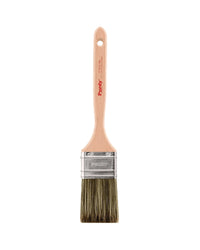
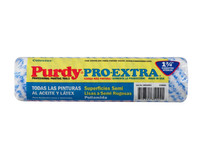


Choosing the right paintbrush can feel confusing at first, especially when you see so many different options in the store. Still, the brush you use can have a big impact on the final result. Once you understand which type of brush works best for the coating you are applying, the decision becomes much easier and the painting process goes much more smoothly. In most cases, the most important thing to consider is the type of paint or finish you plan to use.
Water-Based Coatings
Latex paint is one of the most widely used paint types today. For latex paints, acrylic paints, and water-based wood finishes, synthetic brushes are usually the best option. These brushes are made with different kinds of filaments, such as Chinex®, nylon, polyester, or nylon/polyester blends. Synthetic brushes are designed to work well with modern paints, offering strong paint pickup, efficient coverage, a smooth finish, and easier cleaning after use.
Chinex® brushes are known for being highly durable and for keeping their firmness even in warm or humid conditions. Nylon brushes are also very durable and provide excellent results, but they may become softer in high temperatures or after long use with latex paint. Polyester brushes tend to hold their shape well and offer good control in hot conditions, but they usually pick up less paint, so you may need to reload the brush more often.
Modern paints often contain more acrylic resins and quick-drying solids, which can cling to polyester filaments. This makes polyester brushes harder to clean and can shorten their lifespan. A nylon/polyester blend combines the strengths of both materials. It gives you the smooth application and good paint pickup of nylon along with the added stiffness and control of polyester. Because of that balance, this type of brush is a popular choice among professionals for many different jobs.
Oil-Based Coatings
For oil-based paints and finishes, natural bristle brushes are generally the preferred option. They work well with varnishes, shellac, alkyd enamels, oil stains, and oil-based polyurethanes. Some of the finest natural bristles come from mainland China. Many experienced painters still prefer China bristle brushes because of the finish they can achieve with oil-based products.
If you are painting a smooth surface, a White China Bristle brush is a strong choice for achieving a very refined and even finish. For textured surfaces, a Black China Bristle brush is usually better because it is a little firmer, more hard-wearing, and better suited for faster, high-output work.
Natural bristle brushes are not ideal for rough surfaces. Those surfaces can damage the bristle tips and quickly wear the brush out. In that situation, a synthetic nylon brush is the better option, even when using oil-based coatings, because it is more resistant to abrasion and holds up better on rough materials.
Final Thoughts
There are paintbrushes available for nearly every coating type and painting task, but some brushes perform better in certain situations than others. Understanding the surface and coating you are working with will help you choose the best brush and get a better result with less frustration.